3001 S Galapago St, Englewood, CO 80110

720-784-7201

See how wood, vinyl, aluminum, chain link, and composite fencing perform in Denver’s changing weather.
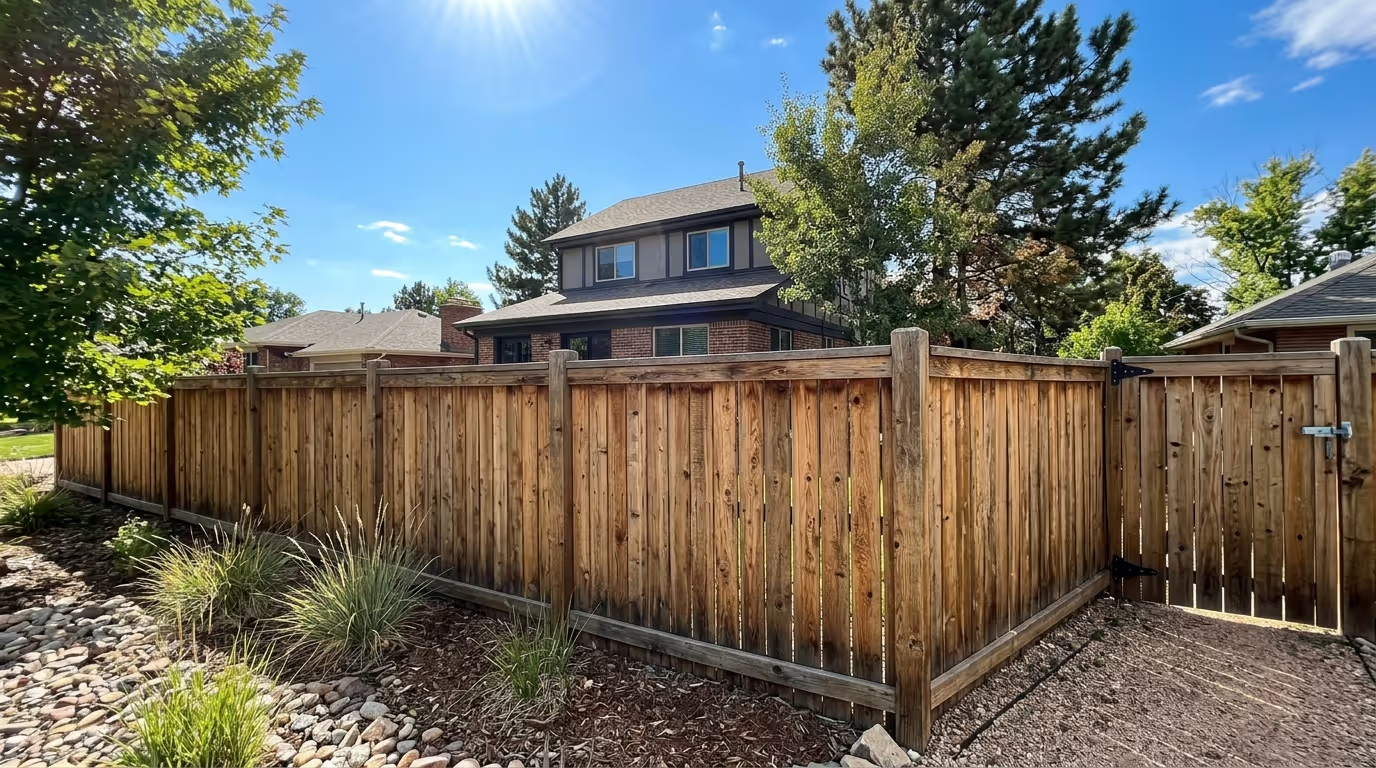
Choosing a fence is not only about style. It is also about performance. A fence has to look right with the home, give you the privacy or openness you want, and hold up through daily use. In Colorado, there is one more big factor to think about: weather.
Homeowners in the Denver area deal with strong sun, dry stretches, seasonal moisture, wind, temperature swings, and the kind of changing conditions that can test outdoor materials over time. That does not mean one fence material is perfect for every home. It means the best choice is usually the one that matches your priorities while still handling real outdoor exposure in a smart way.
Some homeowners care most about privacy. Some want less upkeep. Some want a more open look that still adds structure and security. Some want a warm natural feel. The good news is that there are strong options for all of those goals. The key is knowing how each material performs, where it shines, and what tradeoffs come with it. That matters whether you live in Parker, Centennial, or elsewhere across the Denver service area.
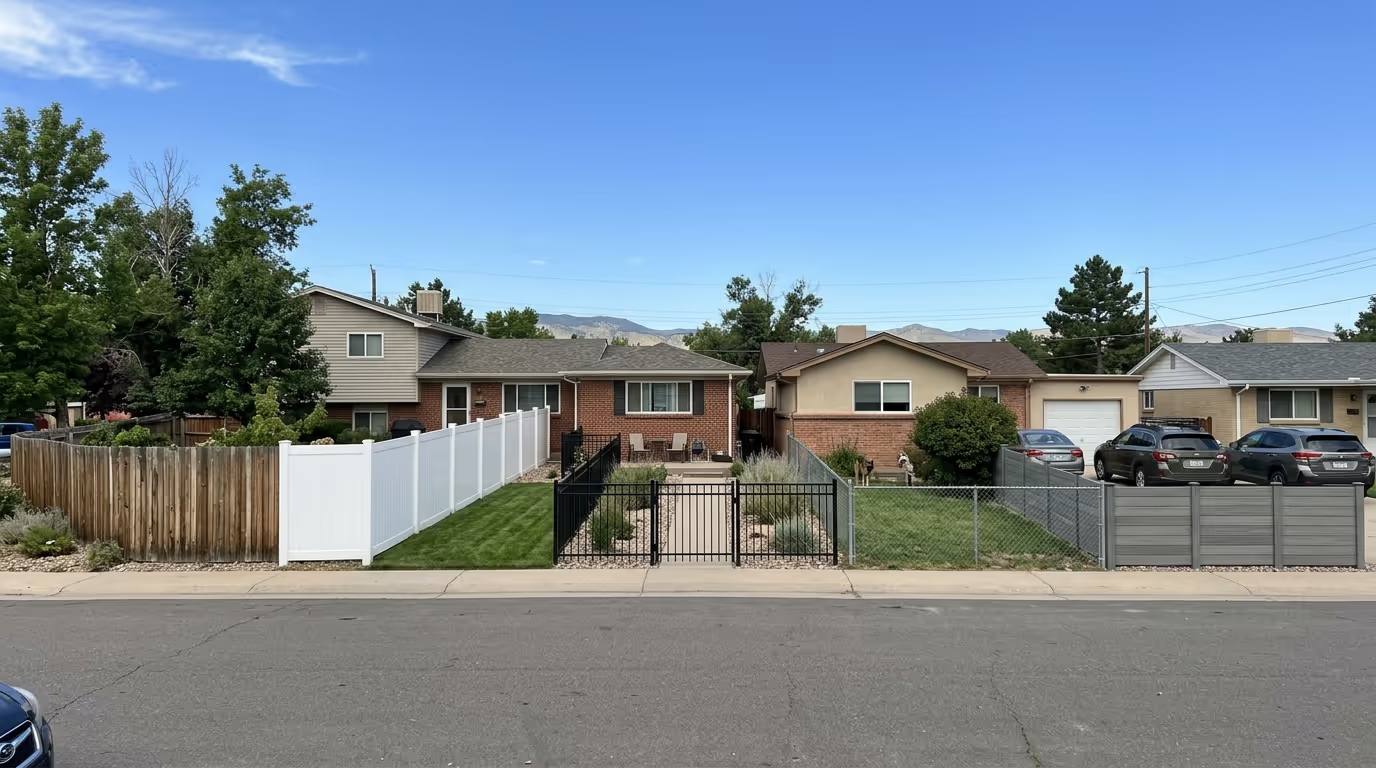
Here is a closer look at wood, vinyl, steel, chain link, and composite fencing, and how each one fits Colorado weather and day-to-day life.
Fences live outside all year long. That sounds obvious, but it is easy to forget how much constant exposure matters. A fence does not get a break from the sun in summer or the cold in winter. It sits through wind, dry air, changing temperatures, and the normal wear of everyday use. Gates open and close. Hardware takes stress. Posts carry weight month after month.
That is why material choice matters more than many homeowners expect. Some fences need more upkeep to stay in shape. Some hold their clean look longer. Some are better for a more open yard. Some are better when privacy is the priority. A good fence company should help homeowners think beyond the first impression and ask what the fence will feel like after years of real use. Fence Experts frames that idea around stronger materials, no builder-grade shortcuts, and building with Colorado conditions in mind.
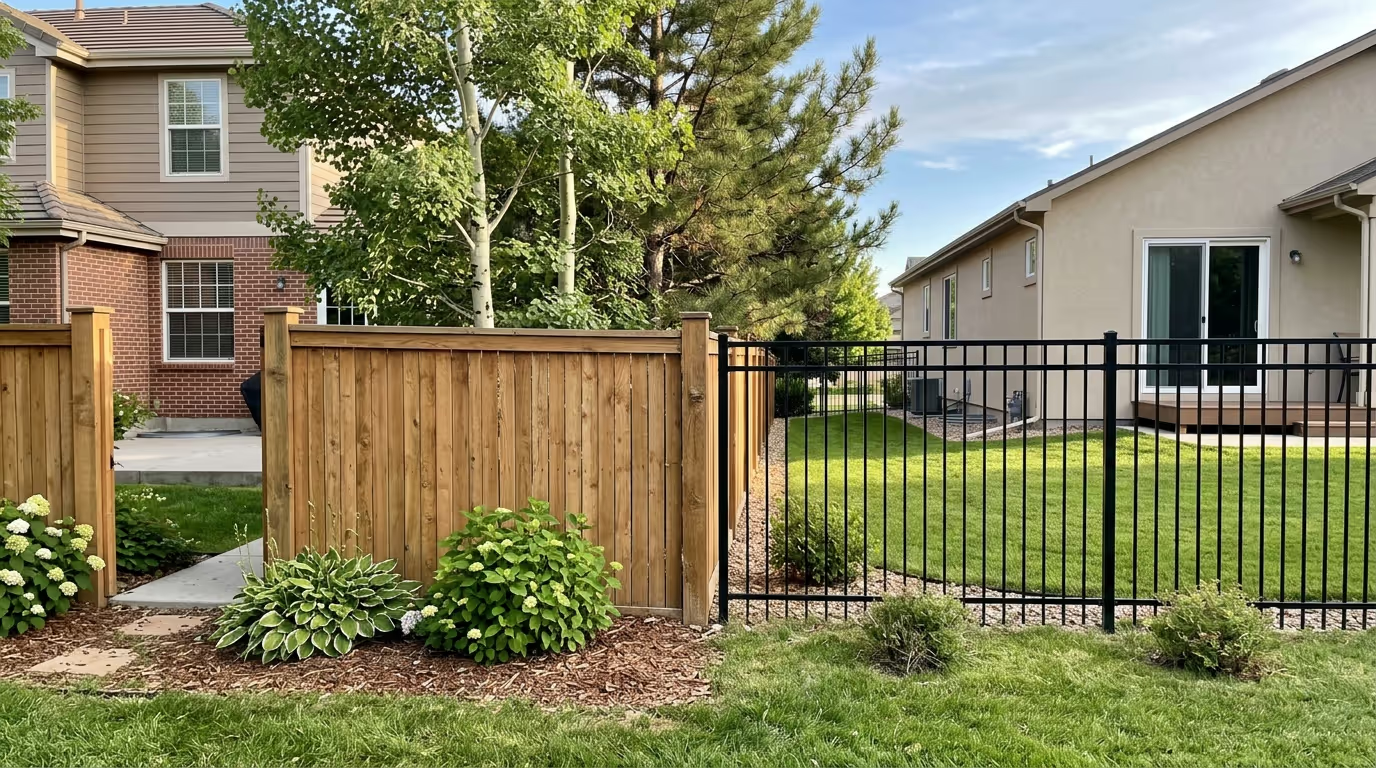
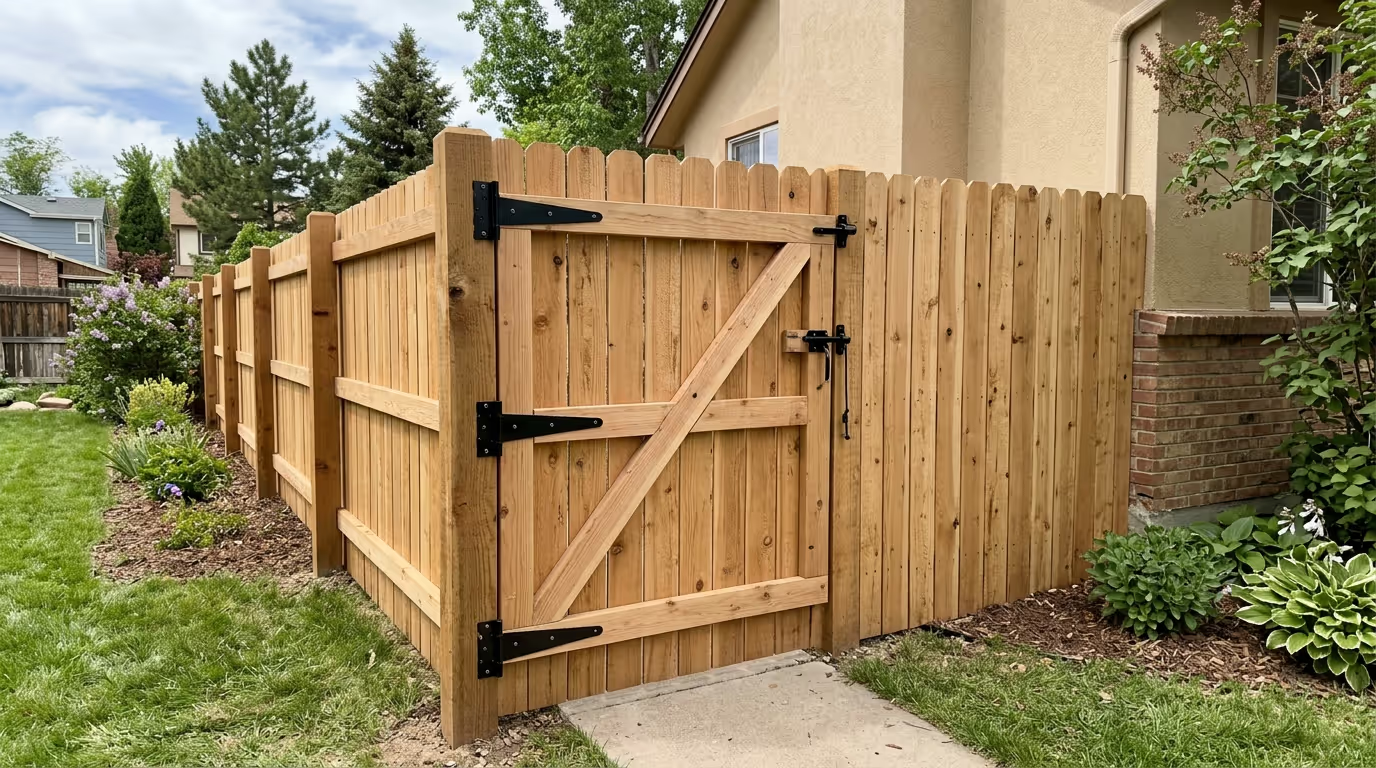
Wood remains one of the most popular fence materials for a reason. It has a natural look that feels right at home in many residential yards. It adds warmth, character, and privacy in a way that many homeowners still love. If you want a fence that feels traditional, comfortable, and visually tied to the landscape, wood is often the first option people look at.
For Colorado homes, wood can still be a strong choice when the fence is built well and installed with care. Structure matters a lot here. Stronger posts, solid gate framing, and careful workmanship make a major difference in how a wood fence holds up over time. A weak build can leave wood fencing more vulnerable to early problems. A stronger build gives it a much better shot at staying straight, solid, and attractive for longer.
The tradeoff with wood is upkeep. Homeowners who choose wood should go in knowing that it tends to ask for more attention than lower-maintenance materials. That does not make it a bad choice. It just means it is best for people who value the natural look enough to accept the extra care that may come with it.
Vinyl fencing is a popular choice for homeowners who want a bright, clean look without the level of upkeep that often comes with traditional wood. It gives a yard a polished, tidy feel and works especially well for homeowners who want the fence to stay looking neat with less day-to-day effort.
That makes vinyl appealing in Colorado, where outdoor exposure can wear on materials over time. Many homeowners like vinyl because it gives them privacy and structure while keeping the upkeep side simpler. It can be a smart fit for busy households, newer homes, and anyone who wants a fence that looks finished and straightforward.
Still, vinyl is not only about convenience. Installation quality still matters. A vinyl fence should feel solid and well supported, not just clean at first glance. Strong standards behind the build still shape long-term performance. A better install helps the fence keep its lines, feel stable, and perform the way homeowners expect over time. Fence Experts ties that kind of result to careful workmanship, stronger standards, and a team that does not cut corners.
Some homeowners want security and structure without making the yard feel fully enclosed. That is where steel fencing stands out. It gives a clean, open look that can add curb appeal while still helping define the space around the home.
For Colorado homes, steel can be a strong material choice because it is practical, durable, and lower-maintenance. It works especially well in front yards, around landscaped areas, and in homes where the goal is a lighter visual feel. Instead of creating a solid wall around the property, steel adds boundary and shape while keeping more openness in the view.
That makes it a good fit for homeowners who care about both appearance and ease of ownership. It also works well when you want something that feels polished without becoming too heavy or closed off. Like other fencing types, the finished result still depends on good workmanship. Strong posts, quality hardware, and clean installation make the difference between a fence that simply looks fine on day one and one that keeps performing well.
Chain link fencing may not be the first option that comes to mind when homeowners think about curb appeal, though it remains one of the most practical fence materials available. It is a strong choice when the main goals are security, clear boundaries, functionality, and long-term value.
In Colorado, chain link can make a lot of sense for homeowners who want a fence that handles daily use well and keeps the layout of the yard simple and dependable. It is especially useful when the focus is less about visual privacy and more about defining the property clearly, keeping spaces secure, and choosing a material with a straightforward purpose.
Another strength of chain link is that it keeps the yard feeling open. You still get a clear boundary, though not the visual weight of a solid privacy fence. For some homes, that is exactly the right balance. It is not the best fit for every aesthetic goal, though it can be a very smart fit when function leads the decision.
Composite fencing has become more attractive to homeowners who want something more modern, more refined, and lower-maintenance than traditional wood while still keeping a stronger sense of privacy and structure. It tends to give a clean, updated look that feels premium without becoming flashy.
That makes composite a strong option for Denver-area homeowners who like the idea of a privacy fence but want less upkeep over time. It can work especially well for homes where the yard design already feels clean and modern, or where the goal is a fence that looks polished without needing the same level of care that wood often asks for.
Composite is also a good example of why material choice and build quality should be considered together. Even a premium-looking material still needs strong support and careful installation. Fence Experts connects long-term performance to the things beneath the surface too, like stronger posts, reinforced gates, better fasteners, and workmanship that slows down where it matters.
The honest answer is that the best material depends on what matters most to you. There is no one perfect answer for every homeowner. There is a best fit for your priorities.
Colorado weather does not automatically eliminate any of these choices. It just raises the importance of making a smart, well-informed decision. That means thinking about both the material and the way the fence will be built.
One of the biggest mistakes homeowners make is assuming the material name tells the whole story. It does not. A well-installed fence made from a simpler material can outperform a poorly installed fence made from a more premium one. A fence that looks impressive in a brochure can still disappoint if the structure behind it is weak.
This is where the project brief for Fence Experts is helpful. It keeps bringing the conversation back to what sits behind the finished fence: heavy-duty cedar wrapped steel posts, structurally reinforced gates, premium stainless steel nails that will not bleed or rust, installers with 10 plus years of experience, and a company that avoids builder-grade shortcuts. Those are the details that help a fence feel stronger and last longer, no matter which style you choose.
For homeowners, that means the right question is not only “Which material should I choose?” It is also “How will this fence be built?” If you want to understand how Fence Experts approaches that side of the job, the Why Us page is a strong next step.
If you are still deciding, a few simple questions can make the choice easier:
Answering those questions usually narrows the field quickly. From there, it becomes easier to compare the options in a practical way instead of just going by appearance alone.
The best fence material for Colorado weather is not just the one that sounds strongest on paper. It is the one that matches your home, your priorities, and the way you want the yard to feel year after year. Wood, vinyl, steel, chain link, and composite can all be good choices in the right setting.
The difference usually comes down to two things: choosing the right material for your goals and making sure it is installed with strong standards from the start. When those two parts come together, the fence does more than look good at first. It gives you privacy, structure, curb appeal, and peace of mind that holds up over time.
For Denver-area homeowners, that is the goal worth aiming for. If you want to compare more options, explore our services or learn more about our team and how we build for long-term performance.