3001 S Galapago St, Englewood, CO 80110

720-784-7201

Learn how to compare fence materials based on strength, upkeep, structure, and long-term value, not just how they look on day one.
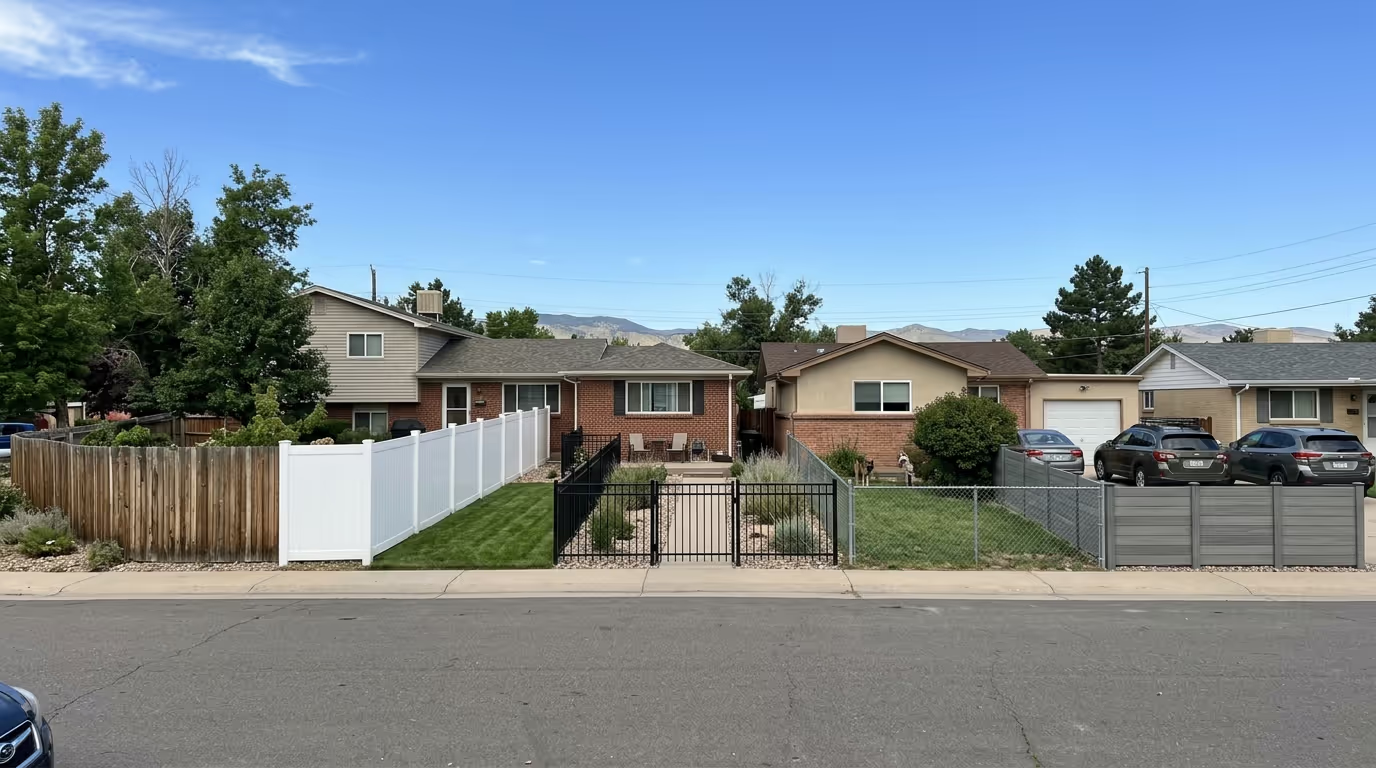
When homeowners compare fence materials, the first instinct is usually to focus on the most visible things. What does the fence look like? How much does it cost? Will it match the house? Those are fair questions, and they should absolutely be part of the decision. A fence changes the look of the property in a big way, so appearance matters. Budget matters too.
Still, if you stop there, you can miss some of the most important differences between one fence and another. A fence that looks great on day one may not feel nearly as impressive after a few seasons if the structure is weak, the upkeep is more than expected, or the materials behind the build were chosen for speed instead of long-term performance. That is why smart homeowners compare fence materials based on more than appearance and price alone.
For Denver area homes, this matters even more. Colorado conditions can expose weak choices faster than many people expect. A better fence decision usually comes from looking at the full picture: strength, maintenance, privacy, daily function, and how well the fence is built to hold up over time. Fence Experts leans into that mindset by focusing on stronger materials, no builder-grade shortcuts, reinforced gates, premium fasteners, and local climate needs. Homeowners comparing options in places like Centennial or across the wider Denver service area often get the best result when they look past the surface and think long term.
Many fences look good when they are brand new. Fresh materials, clean lines, and a finished installation can make almost any project seem solid at first glance. That is one reason appearance alone is not enough. The real difference between fence materials usually shows up after time has passed and the fence has been put through real use.
Does the gate still feel strong? Does the fence line still look clean? Does the structure inspire confidence, or does it already seem to need watching? Does the material still fit your lifestyle once the day-to-day reality of upkeep sets in? These are the kinds of questions that homeowners end up caring about long after the initial install is done.
A smart comparison goes beyond “Which one looks nicest?” and asks “Which one still makes sense a few years from now?”
Price matters. Every homeowner has a budget, and any real project needs to be weighed carefully. But the lowest upfront number is not always the best value. A fence that seems cheaper at the beginning can end up costing more in upkeep, repairs, frustration, or early replacement if it is not a good fit for the home and the way the yard is used.
That does not mean the most expensive material is always the right answer either. It means value should be judged over time, not only at the moment the quote is received. A good fence material comparison looks at both the initial cost and the long-term experience of living with that choice.
That long-term view fits well with the Fence Experts brand story. The company frames itself around stronger builds, honest service, and fences designed to outlast the competition, not just make a good first impression. If you want to understand how that approach carries through the company, the Why Us page is a good place to start.
One of the easiest ways to narrow down fence materials is to ask what level of privacy you want from the yard. Some homeowners want full backyard coverage and a more enclosed, comfortable space. Others want boundaries and structure without closing off the view too much.
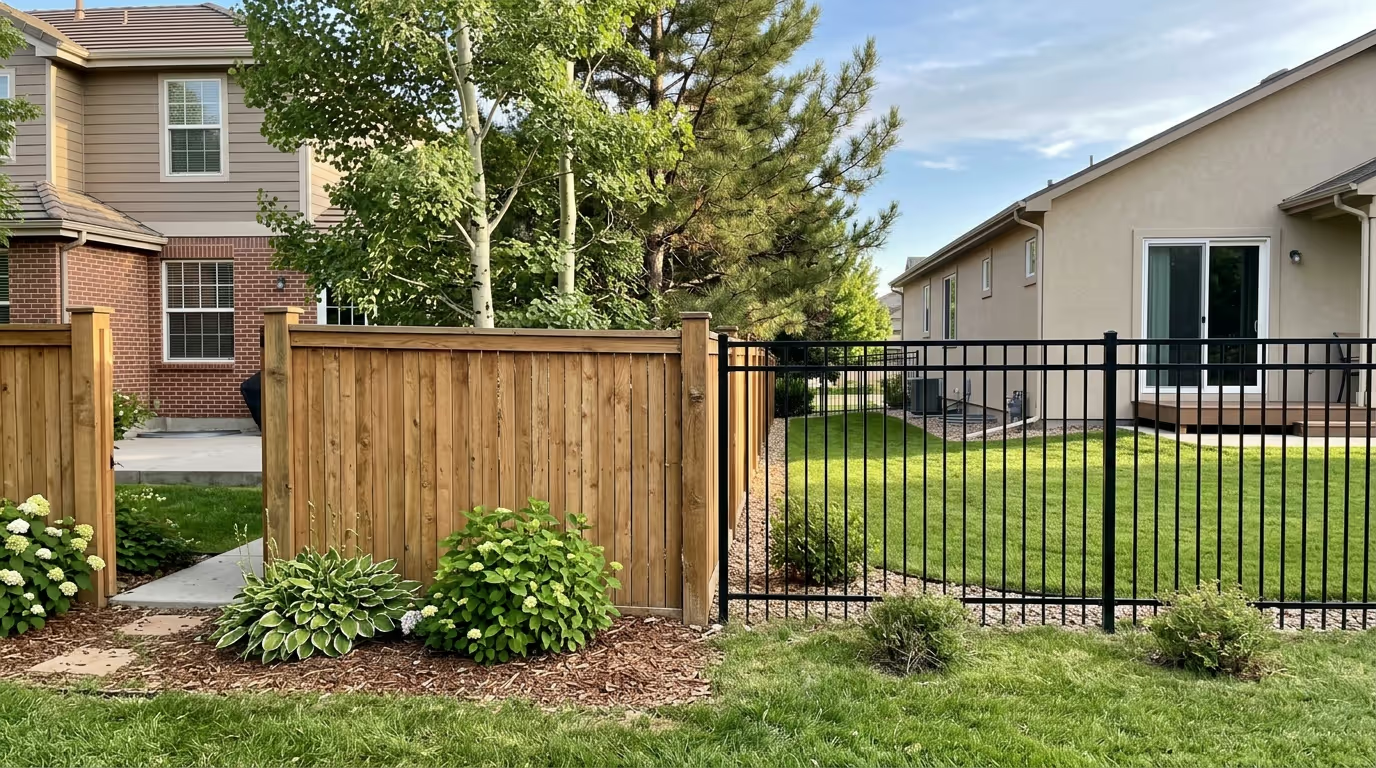
If privacy is a top priority, materials and styles like wood, vinyl, and composite usually rise to the top. Wood brings natural warmth and classic residential character. Vinyl gives a cleaner, brighter look with less upkeep. Composite offers a more modern feel and lower maintenance than traditional wood while still supporting strong privacy.
If privacy is less important, materials like steel and chain link become more appealing. Steel helps define the space while keeping the yard visually open and polished. Chain link creates a clear perimeter and adds function without creating a heavy visual barrier.
Before comparing anything else, it helps to ask how open or enclosed you want the property to feel in everyday life.
One of the most useful questions a homeowner can ask is also one of the simplest: how much upkeep do I really want? This is where fence material comparisons become much more practical.
Wood can be a beautiful choice, and many homeowners still love it for its warmth and timeless look. But it is usually a better fit for people who are comfortable with a material that may need more attention over time. Vinyl is often attractive because it gives homeowners a cleaner, lower-upkeep option. Steel is also appealing for those who want less maintenance and a more open visual style. Composite can be a strong fit when homeowners want privacy and a modern appearance with less maintenance than wood. Chain link is practical and straightforward when function and ease matter more than a polished privacy look.
There is no wrong answer here. The right choice is the one that fits the way you actually live, not the version of maintenance you imagine yourself taking on later.
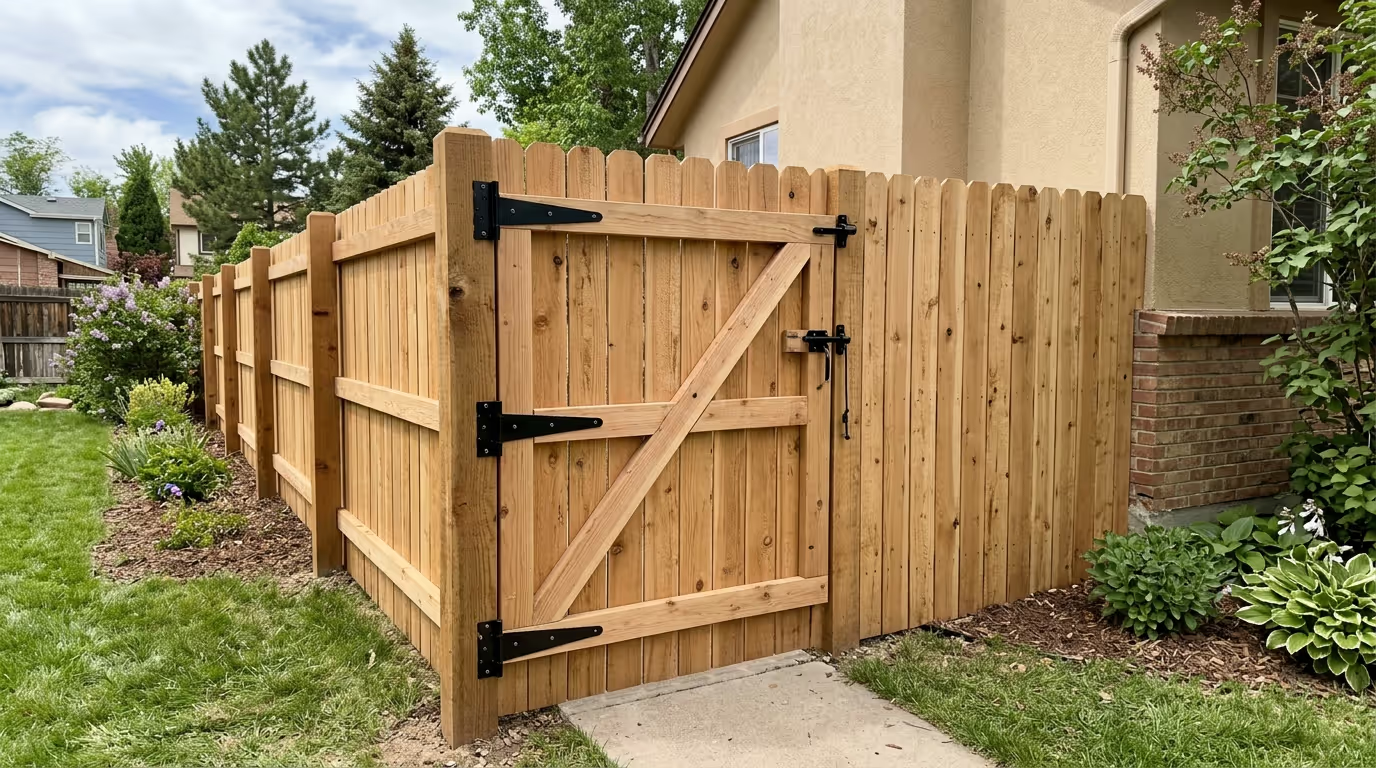
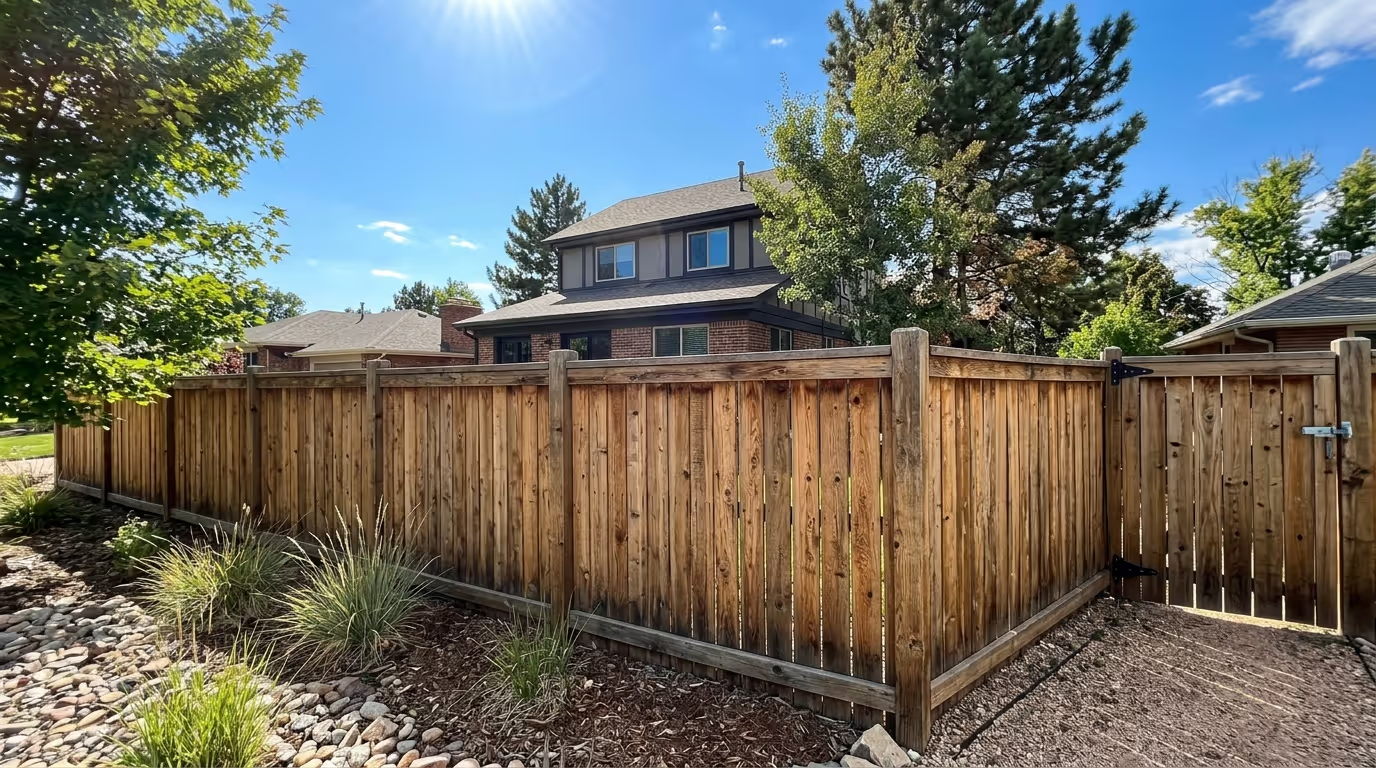
Wood remains one of the most familiar and popular fence materials in residential neighborhoods. It has a natural quality that many homeowners still prefer over anything else. It adds warmth, privacy, and a softer look that often fits very naturally with landscaping and traditional homes.
Wood can be an excellent choice when curb appeal and privacy matter a lot. It can make a yard feel more comfortable and more settled. It is especially strong when homeowners want the backyard to feel private and inviting instead of bright or highly polished.
The tradeoff is usually upkeep. Wood can be a smart material when the homeowner values the look enough to accept that it may ask for more over time than lower-maintenance choices. In other words, wood is often chosen with the heart as much as with the head, and that can still be the right decision.
Vinyl is a strong fit for homeowners who want a fence that feels clean, finished, and easy to live with. It often creates a tidy look that works especially well around newer homes or yards where simplicity and polish matter more than natural texture.
When comparing vinyl to wood, many homeowners are really comparing upkeep levels as much as appearance. Vinyl appeals to people who want privacy and structure without feeling like the fence will become a project of its own later. That can be a major benefit for busy households or for anyone who values convenience.
Vinyl is also a good reminder that “easy” does not mean “cheap” or “weak.” A well-built vinyl fence should still feel strong and properly supported. That is why installation quality and structure still matter, regardless of the material you choose.
Steel fencing is often one of the best choices for homeowners who want the property to feel defined without feeling closed in. It gives structure and curb appeal while keeping more openness in the yard. That makes it especially useful in front yards, around landscaping, and in places where full privacy is not the main goal.
When comparing steel to other materials, the biggest difference is often visual weight. A privacy fence creates stronger enclosure. Steel creates lighter structure. Neither is automatically better. They serve different goals.
Steel also tends to appeal to homeowners who want a lower-maintenance option with a cleaner and more refined appearance. If you like the idea of a fence without wanting the yard to feel boxed in, steel is often worth serious consideration.
Chain link does not always get the same attention as other fence materials, but it remains a strong practical option. It is often the best fit when the priorities are security, clear boundaries, durability, and value. It keeps the space open while still giving the property structure and definition.
For homeowners who do not need full privacy, chain link can be a smart and efficient solution. It is especially useful in yards where function matters more than a finished design statement. That does not make it the right choice for every property, but it does make it more versatile than many people expect.
When comparing materials honestly, chain link deserves to be judged by what it is designed to do, not by the expectations placed on very different fence styles.
Composite fencing has become increasingly attractive for homeowners who want privacy with a cleaner, more updated feel than traditional wood often provides. It tends to feel more modern, more refined, and less maintenance-heavy than wood, which makes it a strong fit for certain homes and lifestyles.
This is often the material homeowners gravitate toward when they want the look of a substantial privacy fence without the same level of upkeep they associate with wood. Composite can also be a good match when the home and landscaping already lean toward a more contemporary design style.
In a comparison, composite often wins when the homeowner wants privacy, a more polished visual finish, and a lower-upkeep routine than wood is likely to offer.
One of the biggest mistakes homeowners make is comparing materials only at the surface level. A good fence company should help you think about the parts that matter behind the visible boards or panels too. Posts, gates, fasteners, and installation standards shape how well every material performs.
This is where the Fence Experts project notes become especially useful. The brand keeps pointing back to stronger, heavy-duty cedar wrapped steel posts, structurally reinforced gates, premium stainless steel nails that will not bleed or rust, and the refusal to use builder-grade shortcuts. Those details matter because they affect how any fence material feels after installation day is over.
In other words, comparing materials without comparing the build behind them only tells part of the story.
Fence materials do not live in ideal showroom conditions. In Colorado, they deal with strong sun, temperature swings, moisture changes, wind, and the kind of outdoor exposure that tests long-term performance. Fence Experts specifically says the company builds with the unique needs of the local climate in mind, and that is exactly the kind of practical thinking homeowners should bring into material comparisons too.
The right material for a Denver area home is not only the one that looks right or feels affordable in the moment. It is the one that still makes sense after the fence has lived through real local conditions for years. That is one reason long-term durability and structural quality belong in the comparison from the beginning.
That is especially true in areas with changing conditions and different neighborhood styles, from Highlands Ranch to Boulder.
Sometimes the best material comparison question is not technical at all. It is simply this: what will this fence feel like in daily life? Will the yard feel more private? Will the fence feel low-stress to own? Will it make the property look more finished? Will the gate feel strong? Will the fence fit the way the household actually uses the space?
These questions matter because homeowners do not live with a material chart. They live with the fence itself. The most successful fence projects usually happen when the material fits both the physical property and the routines of the people living there.
If you want to compare fence materials beyond the surface, a few questions can help:
These questions help turn a broad material comparison into a much more useful one. They also make it easier to see why the “best” fence material is rarely the same for every home.
Comparing fence materials the right way means looking past the first impression. Appearance matters. Price matters. But privacy, maintenance, structural quality, local climate, and long-term value matter too. Wood, vinyl, steel, chain link, and composite all have strengths. The smartest choice comes from matching those strengths to your yard, your home, and the way you want the fence to work in real life.
For Denver area homeowners, that usually means choosing with both style and substance in mind. A fence should not only look right on day one. It should feel like the right decision for years to come. If you want to compare options further, explore our full list of fencing services or learn more about our team and how we approach stronger, longer-lasting builds.