3001 S Galapago St, Englewood, CO 80110

720-784-7201

Compare privacy fence styles and more open fence options to find the right fit for your yard, curb appeal, comfort, and day to day use.
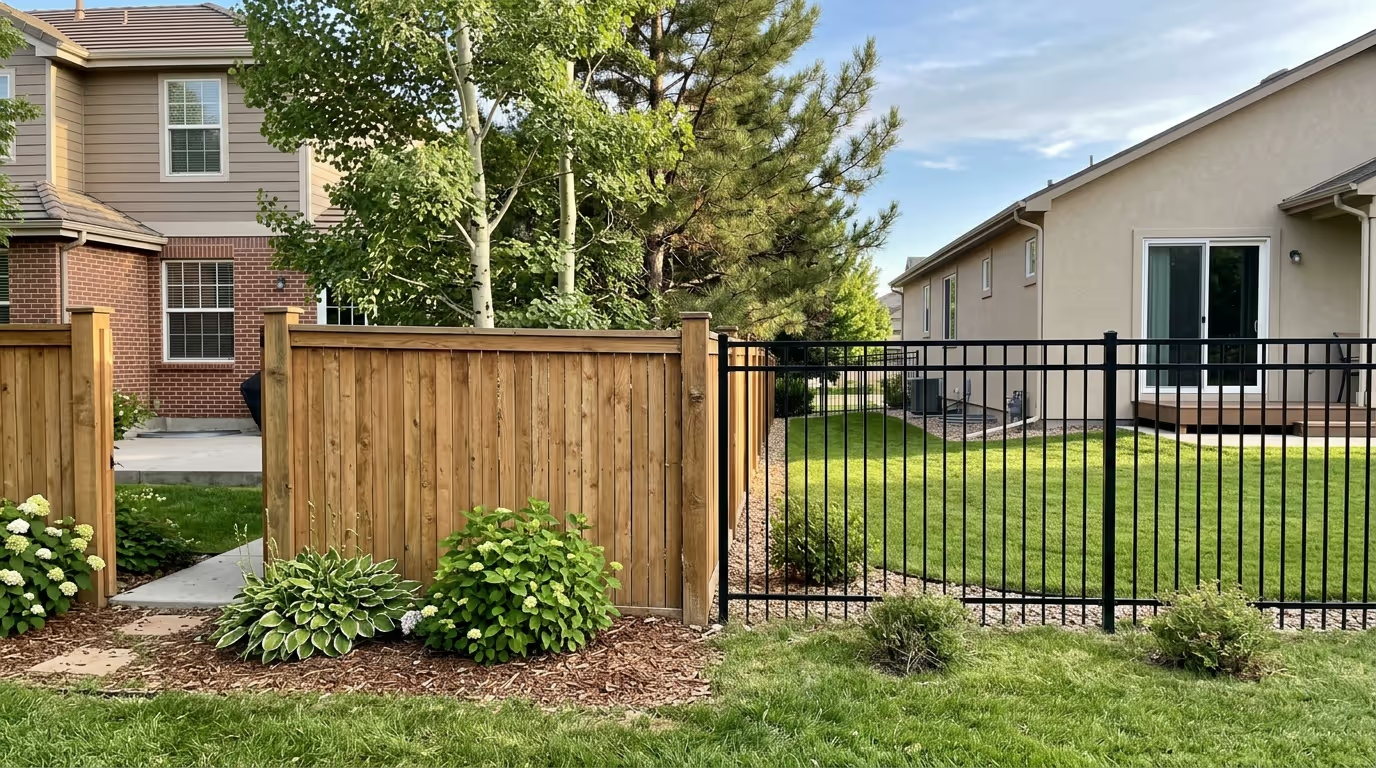
Homeowners often start looking at fence styles by thinking about materials first. Should it be wood, vinyl, steel, chain link, or composite? That matters, but one of the most useful first questions is actually simpler than that. Do you want a privacy fence style that creates a more enclosed yard, or do you want a more open fence style that defines the space without closing it off too much?
That choice shapes almost everything else. It affects how the yard feels, how the property looks from the street, how much privacy you get, how much openness you keep, and even how the home feels in daily life. A privacy fence can make the backyard feel quieter and more protected. An open fence style can make the property feel cleaner, lighter, and more connected to the landscaping around it.
Neither option is automatically better. The right answer depends on your home, your priorities, and the way you use the space. For Denver area homeowners, including families in places like Aurora, it helps to think through the decision carefully before committing to a style you will live with every day.
A fence is not just a boundary. It changes the experience of the yard. That is why the difference between a privacy fence and a more open fence style matters so much. You are not only choosing what the property line will look like. You are choosing how open the view feels, how much of the yard is visible, how much separation you have from neighbors, and what kind of impression the home gives from the outside.
Some homeowners want the backyard to feel like a more private extension of the home. Others care more about curb appeal and want the fence to add structure without creating a wall around the property. Some want privacy in the back and openness in the front. That is where fence style starts becoming a lifestyle decision, not just a design decision.
Once you understand that, it gets easier to stop asking which fence is best and start asking which fence style fits the way you want this property to feel.
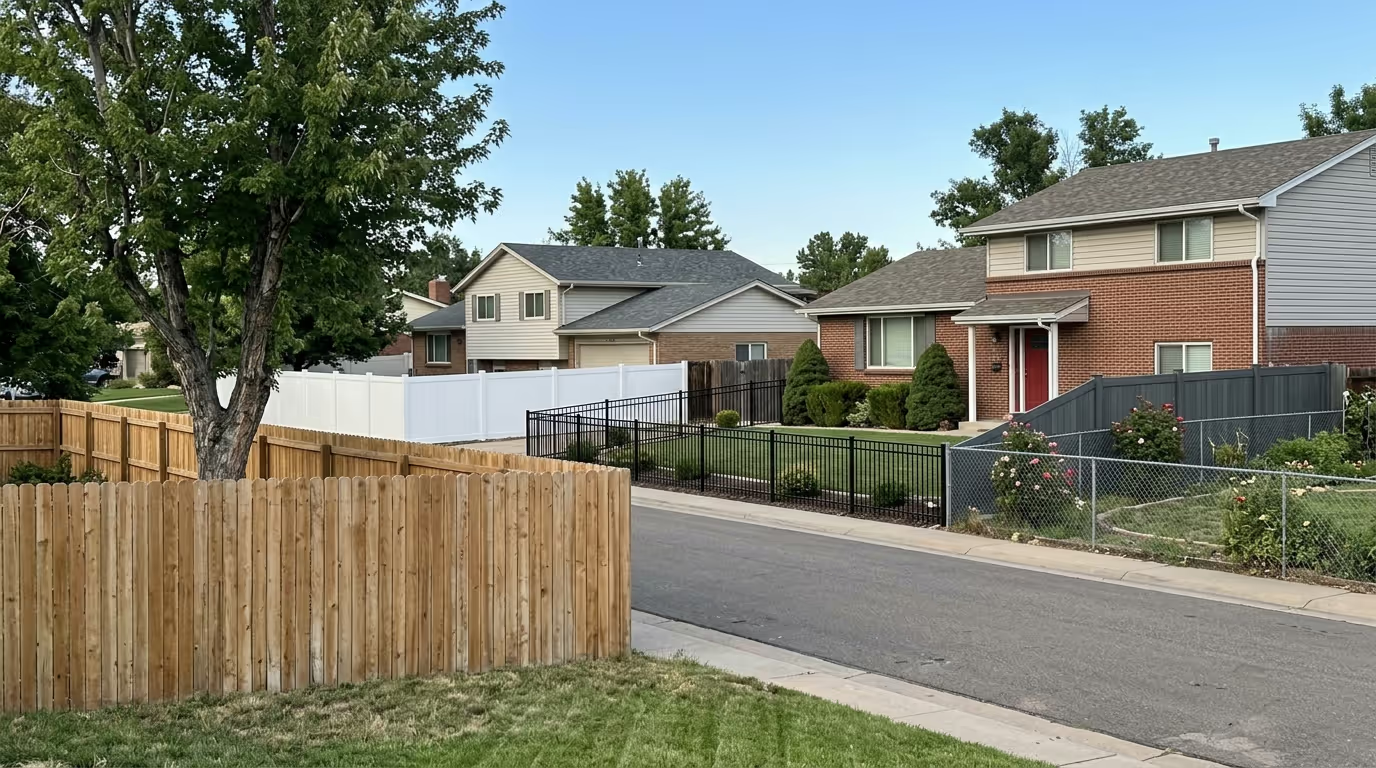
Privacy fence styles are usually the strongest fit when your goal is comfort, separation, and a more enclosed outdoor space. These styles reduce sightlines, create a clearer visual barrier, and help a yard feel quieter and more settled. That can make a huge difference in everyday living, especially in backyards where homeowners want to relax, entertain, or simply enjoy time outside without feeling exposed.
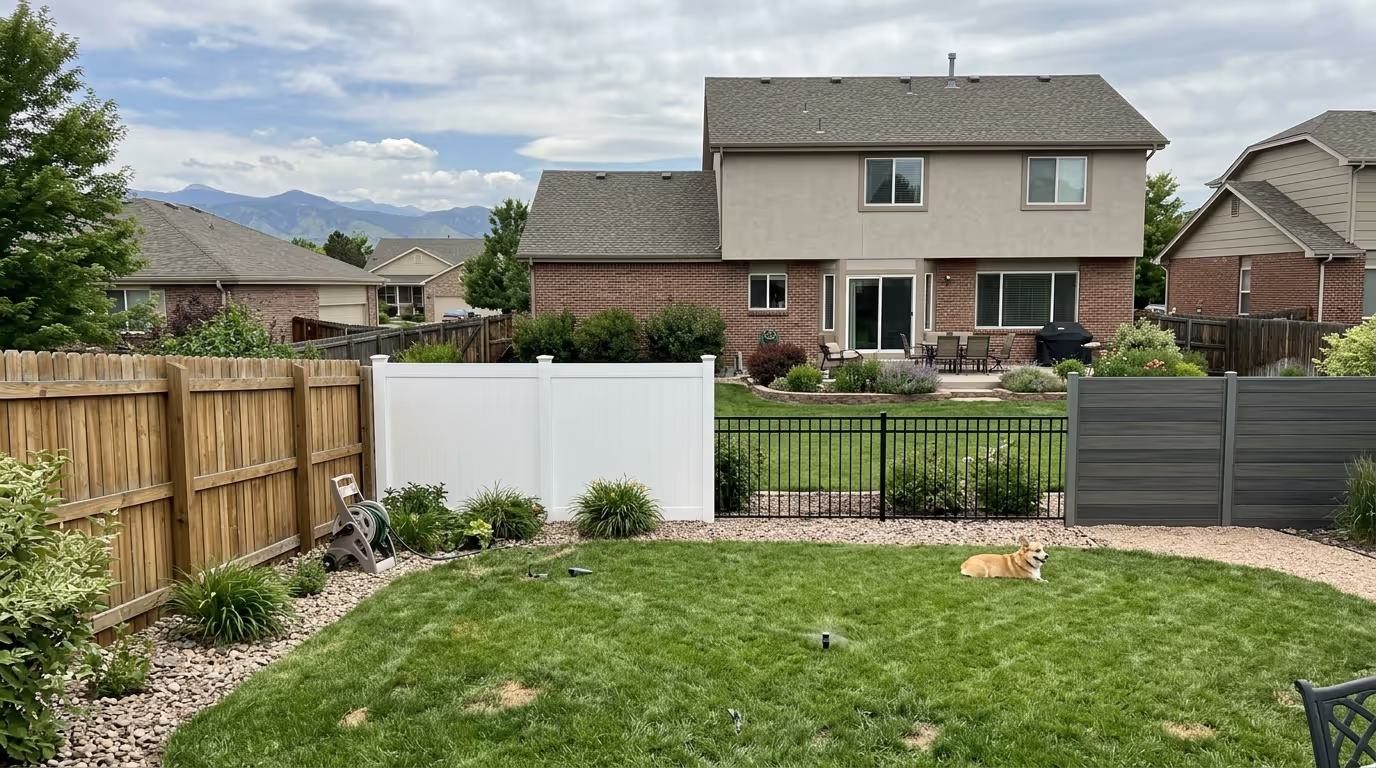
Wood privacy fences are often the most familiar example. They bring warmth, character, and a classic residential look while giving the yard strong coverage. Vinyl fencing offers a cleaner, brighter appearance with less upkeep over time. Composite fencing can be a strong option when homeowners want a more modern look with privacy and lower maintenance than traditional wood.
When privacy is the top goal, these styles usually feel like the most natural fit because they change the yard in a way homeowners notice right away. The space tends to feel more protected, more defined, and often more usable.
Open fence styles work differently. Instead of creating a visual wall, they create structure without fully blocking the view. That makes them especially useful when homeowners want the yard to feel lighter, more open, or more connected to the house and landscaping.
Steel fencing is one of the clearest examples of an open style. It gives the property shape and curb appeal while still letting the yard breathe visually. Chain link fencing is also an open style, though it leans more practical than decorative. It is often chosen for clear boundaries, security, and everyday function rather than strong privacy.
Open fence styles can be a very smart choice when the goal is not to hide the yard but to define it. They often work well in front yards, side yards, and homes where maintaining a lighter feel matters as much as having a perimeter.
If your backyard is a place where you spend real time, privacy often becomes more valuable than homeowners first assume. This is especially true if you want to sit outside comfortably, enjoy a patio area, let kids play more freely, or simply make the yard feel more removed from nearby homes.
A privacy fence does not just block views. It changes the emotional feel of the space. It can make a backyard feel calmer and more complete. For many households, that is exactly what makes the yard easier to enjoy on a regular basis.
That does not mean every home needs maximum coverage on every side. It means homeowners should be honest about how much comfort and separation matter in everyday life. If those things are high on your list, privacy styles usually deserve serious attention.
In some homes, the biggest priority is not privacy. It is presentation. You may want the property to feel more polished from the street without blocking the home itself. You may want landscaping to stay visible. You may want a front yard fence that adds structure without making the whole exterior feel too heavy.
That is where open fence styles tend to shine. Steel, in particular, works well when the goal is curb appeal with a lighter look. It gives the home definition and visual order while still letting the house and yard stay visible. That can be a very strong choice for front-facing areas or homes where the landscaping is part of the visual appeal.
If you want the fence to support the home rather than dominate it, an open style may be the better answer.
One reason homeowners struggle with fence style decisions is that they think about the whole property as if it needs one kind of feeling everywhere. In reality, different parts of the yard often need different things. A backyard may benefit from privacy, coverage, and a more enclosed feel. A front yard may benefit from openness, structure, and curb appeal.
This is why many smart fence plans are less about choosing one perfect idea and more about understanding which style direction fits each area best. Even when a home uses one overall fence type, the reasoning often changes depending on whether the space is meant for privacy, presentation, function, or a mix of all three.
The clearer you are about how each part of the yard is used, the easier it becomes to choose the right overall style direction.
When homeowners picture a private backyard, wood is often the first style that comes to mind. There is a reason for that. Wood privacy fences feel natural, warm, and residential in a way that many people still prefer over any other option. They can make the yard feel softer and more lived in while still creating the strong coverage homeowners want.
This style is especially appealing when the home already has a classic or traditional feel. A wood privacy fence can blend naturally with landscaping and make the outdoor space feel settled and comfortable. For many homeowners, it is the easiest style to picture because it feels familiar and timeless.
The tradeoff is usually upkeep. That does not make wood the wrong choice. It just means the look and feel should matter enough to justify the added attention it may need over time.
Vinyl privacy fences often appeal to homeowners who want strong coverage without the same visual texture or maintenance demands that come with wood. They usually give the yard a brighter, tidier, more polished look. That can be especially appealing around newer homes or for households that want the fence to look neat and finished with less ongoing effort.
Vinyl is often a good privacy choice for homeowners who value simplicity. It still creates separation and comfort, but it tends to do so in a cleaner, more straightforward visual style. If the goal is privacy with less fuss, vinyl usually moves up the list quickly.
Composite privacy fencing is often a strong middle ground for homeowners who want coverage and structure but prefer a more updated look than traditional wood. It tends to feel more modern and refined while still giving the yard a strong sense of enclosure.
This can be a great fit for homes with cleaner lines, more modern landscaping, or homeowners who want privacy without a more rustic visual effect. Composite also appeals to people who like the idea of lower upkeep than wood while still wanting a substantial privacy style.
If you want the yard to feel private and current at the same time, composite is often worth a close look.
Steel fencing is one of the strongest options when you want the fence to define space without visually taking over. It gives the property a lighter feel and often adds a more polished look around walkways, landscaped areas, and front-facing portions of the home.
Because it is more open, steel does not give the same level of privacy as a full-coverage fence. But that is often exactly why homeowners choose it. They want security, boundary, and curb appeal without closing off the view. In homes where openness feels important, steel can be a better style fit than privacy fencing, even if both would function well structurally.
Chain link is a style homeowners sometimes overlook because it is less decorative than other fence types. Still, it can be exactly the right answer when the goal is practical function. It provides clear property definition, helps with security, and keeps the yard visually open.
For some homes, that is the best combination. If your priorities are straightforward boundary, durability, and value rather than visual enclosure, chain link can make a lot of sense. It may not change the feel of the yard in the same emotional way that a privacy fence does, but that may not be what you need in the first place.
The privacy-versus-open decision also connects to maintenance more than homeowners often expect. Some privacy-focused materials, especially wood, may ask for more ongoing attention than more open or lower-maintenance options. Vinyl, steel, and composite are often attractive because they offer a cleaner ownership experience over time.
This is why it helps to be honest about your routine. If you love the warmth of wood and want the backyard to feel very private, wood may still be the best fit. If you want privacy with less upkeep, vinyl or composite may feel more natural. If you want low maintenance and openness, steel may be a better match.
The right style is not only the one that looks best now. It is the one that still fits your life well after the fence has been part of your home for a few years.
A fence style should support the home, not compete with it. That does not mean there is one correct answer for every house. It means the fence should feel like it belongs with the architecture, the landscaping, and the way the property presents itself overall.
A traditional home may feel especially natural with a wood privacy fence. A cleaner and brighter exterior may pair well with vinyl. A more modern home may work beautifully with composite. A front yard where landscaping is a major feature may benefit from the openness of steel. The point is to consider the property as a whole instead of choosing only from isolated examples.
If you are torn between privacy and openness, ask yourself these questions:
These questions often bring the answer into focus faster than comparing endless style photos. Once you know what the yard should feel like, the right fence direction becomes much easier to spot.
Choosing between a privacy fence and a more open fence style is really about deciding what kind of experience you want from the property. If comfort, separation, and a quieter backyard matter most, privacy styles usually make more sense. If curb appeal, openness, and structure matter more, open styles are often the better answer.
For many Denver area homeowners, the smartest choice comes from thinking about daily life first. How you use the yard, how you want the property to feel, how much upkeep you want, and how the fence fits the home all matter more than any one trend or inspiration photo. When you choose with those things in mind, the style usually feels right long after installation day is over.
If you want to compare more options, explore our full range of fencing services or see the areas we serve. Homeowners in places like Lakewood and across the Denver region can use the same approach to narrow down the fence style that fits their home best.