3001 S Galapago St, Englewood, CO 80110

720-784-7201

Compare popular fence styles and find the best fit for your home, budget, privacy needs, and long term upkeep.
Choosing a fence is not only about picking a material or matching a style you saw on another house. The right fence changes how your yard feels every day. It can make the space more private, more open, more secure, more finished, or simply easier to enjoy. That is why the best fence choice usually starts with your lifestyle, not with the color of the boards or the first photo that catches your eye.
Some homeowners want a backyard that feels tucked away and quiet. Some want a front yard fence that adds structure without blocking the view. Some want the easiest possible upkeep. Others care most about warmth, curb appeal, or a more modern look. There is no one perfect answer for every home. There is a best fit for your yard, your priorities, and the way you want the property to work over time.
If you are comparing fence styles for a Denver area home, this guide will help you narrow down the options with more confidence. That applies whether you live in Littleton, Aurora, or anywhere else across the Denver service area.
One of the easiest ways to narrow your choice is to ask how much privacy you actually want. For many homeowners, that is the biggest deciding factor. If the goal is to create a more enclosed backyard, block sightlines, and make the outdoor space feel calmer, then privacy-focused fence styles deserve a closer look.
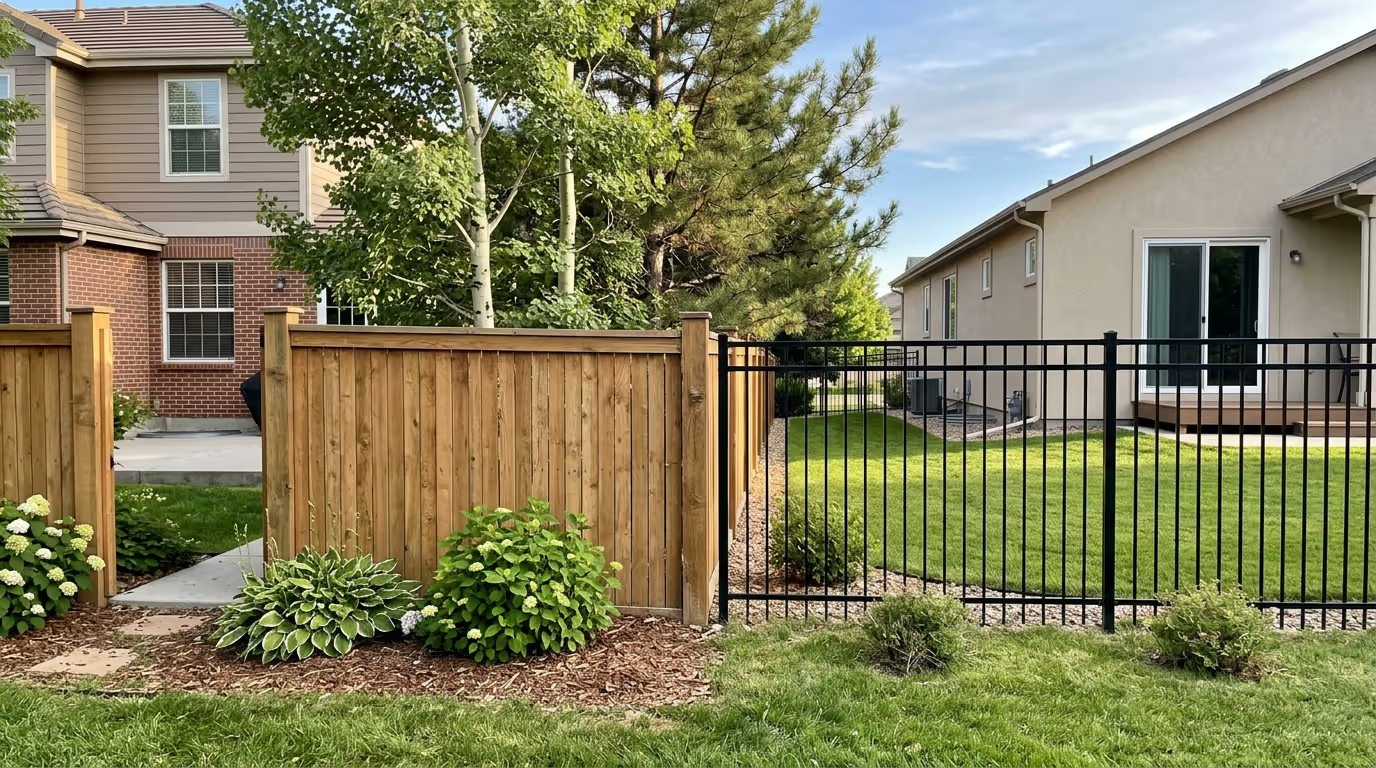
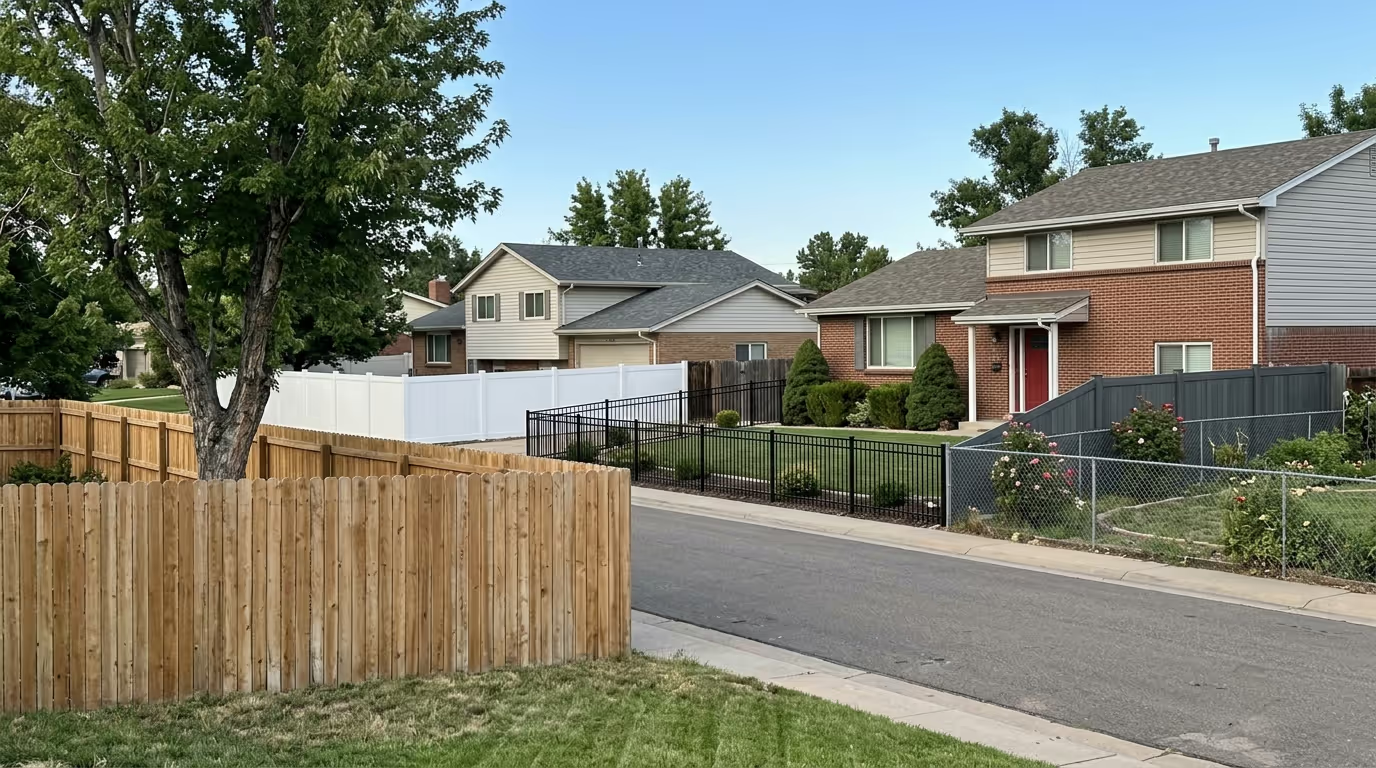
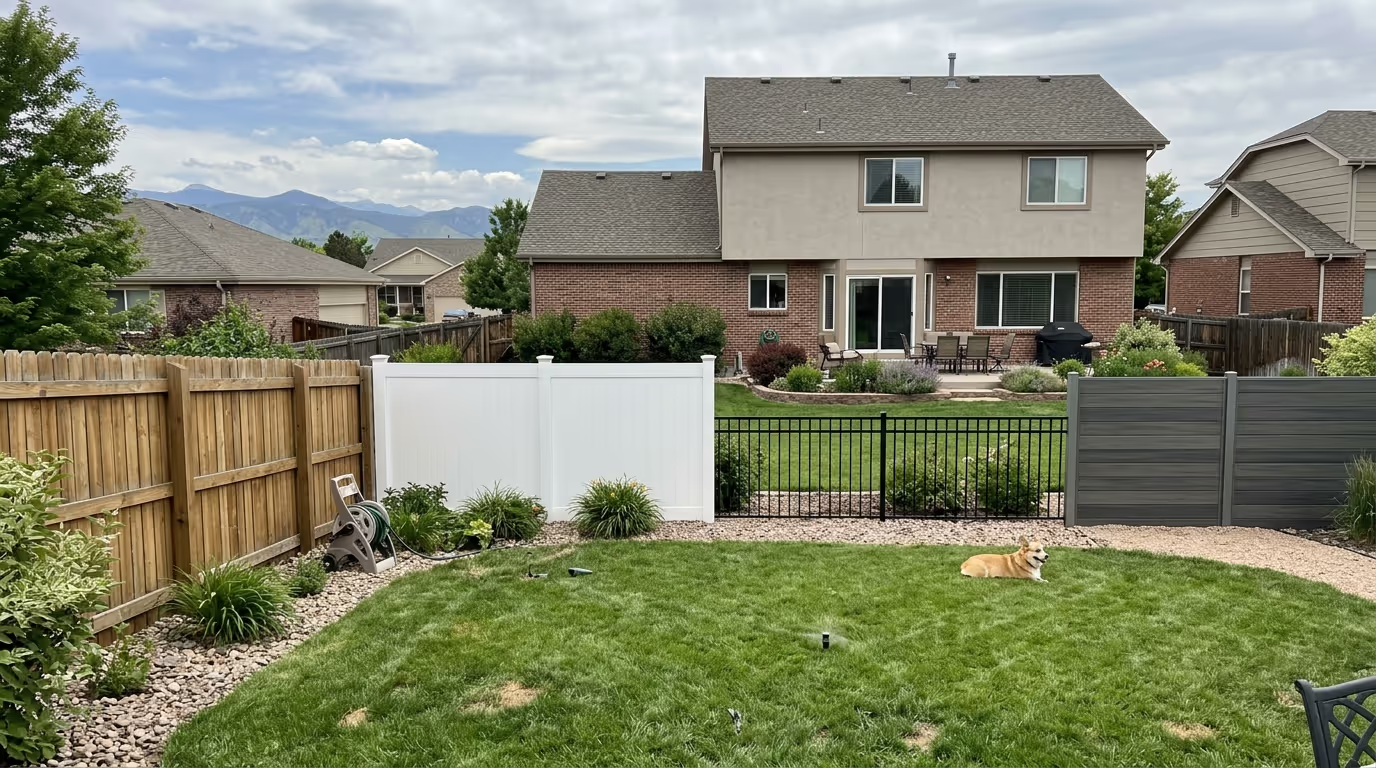
Wood privacy fences are a classic choice here. They bring warmth and strong coverage while giving the yard a natural residential look. Vinyl fencing can offer a cleaner, brighter finished appearance with less upkeep. Composite fencing can be a smart option if you want a more modern feel and lower maintenance than traditional wood.
If full privacy is not a priority, your options open up. Steel fences and chain link fences create boundaries and add structure without closing off the yard as much. Those styles can work well when you want security or definition but still want the space to feel more open.
So before comparing too many details, ask yourself one simple question: do you want your yard to feel enclosed or open? That answer usually rules several options in or out right away.
A fence should feel like part of the property, not an afterthought. That does not mean every house needs the same style. It means the fence should look like it belongs there. A warm wood fence can feel very natural with many traditional homes and landscaped backyards. A clean vinyl fence can suit homes that lean brighter, simpler, and more polished. Steel can work beautifully when the goal is an elegant, open look. Composite can be a strong choice when the house and yard already feel more modern and streamlined.
This is where curb appeal matters. The right fence can make the whole property feel more finished. The wrong fence can still function well, but it may fight the style of the house or feel heavier than it needs to. Try to think beyond the fence itself and picture how it will sit next to the siding, landscaping, driveway, patio, and overall lines of the home.
If you are torn between two styles, the better question is often not “Which fence is nicer?” but “Which fence looks more natural on this property?”
Budget matters, and it should. Fencing is a meaningful home project, and homeowners need to weigh cost carefully. Still, the right fence for your yard is not always the one with the lowest starting price. A cheaper option that does not fit your goals, asks for more upkeep than expected, or fails to deliver the privacy or look you wanted can end up feeling more expensive in the long run.
It helps to think in layers. First, what is realistic for the project now? Second, what kind of value do you want over time? Some homeowners are comfortable with a style that may need more care because they love the look. Others would rather pay for a lower-upkeep option that keeps life simpler. Neither choice is wrong. The important part is choosing on purpose.
Budget should shape the decision, but it should not be the only decision maker. A fence is something you live with every day. It affects privacy, maintenance, appearance, and function long after installation day is over.
This is one of the most practical questions in the whole process, and it is one homeowners sometimes underestimate. Be honest about how much upkeep you are really comfortable with over the years ahead.
Wood fencing gives a beautiful, classic look, but it is usually better for homeowners who are comfortable with a material that may ask for more attention over time. Vinyl, steel, and composite are often appealing because they can deliver a clean, finished result with less ongoing effort. Chain link can also be a practical low-maintenance option when function matters more than privacy or visual warmth.
There is no prize for choosing a style that sounds nice if it does not fit the way you actually live. A low-upkeep fence can be the better choice for a busy household. A more traditional fence can still be the right one when the look matters enough to you. The key is knowing yourself before you commit.
Wood is one of the most familiar fence styles for a reason. It feels natural, warm, and timeless. It works well for homeowners who want privacy and a softer residential look. A wood fence can make a backyard feel more settled and comfortable, especially when the home already has a traditional or classic feel.
It is often a strong fit when curb appeal and privacy are both important. The tradeoff is that wood is not usually the lowest-upkeep option. For many people, the look is worth it.
Vinyl works well for homeowners who want a bright, clean, polished look with less upkeep over time. It can make a yard feel tidy and finished without the maintenance level many people associate with wood. Vinyl is especially strong for homeowners who want privacy and simplicity in one package.
If your goal is a fence that looks neat, feels easy to live with, and supports a more low-maintenance routine, vinyl fencing deserves serious consideration.
Steel is a strong choice when you want structure and security without closing in the yard too much. It has a lighter visual feel than full privacy styles and can work very well in front yards, side yards, and landscaped areas where you still want openness. It often brings a clean, elegant look that suits many homes.
If privacy is not your top priority and curb appeal matters a lot, steel fencing may be one of the best style directions to explore.
Chain link is practical, durable, and often more useful than people first assume. It is a smart fit when the priority is security, clear property lines, and straightforward value. It keeps the yard open while still creating a clear boundary. For some homes, that balance is exactly what is needed.
It may not be the first style people think of for aesthetics, but for function-focused households it can be a very strong option.
Composite is often a good match for homeowners who want privacy with a cleaner, more modern edge. It can feel more updated than traditional wood while still giving the yard structure and coverage. It also appeals to homeowners who like the idea of lower upkeep over time compared with wood.
If you want a fence that feels current, polished, and strong without looking too flashy, composite fencing is worth a close look.
The best fence style is rarely chosen in a vacuum. It should fit the way your household uses the space. Do you host people outside often? Do you want the yard to feel quiet and private? Do you want a clean enclosed area for everyday family life? Do you care about maintaining views from the house or patio? Is the fence mostly about boundaries and function, or do you want it to shape the whole feeling of the yard?
These lifestyle questions matter because they push the choice beyond surface-level appearance. A homeowner who values privacy and quiet will often end up happiest with a very different fence than someone who wants an open front yard with more curb appeal. A backyard used heavily for relaxing and entertaining may call for more coverage than a side yard that mostly needs structure and separation.
Homeowners often compare fence styles as if style alone decides the result. It does not. The look of the fence matters, but the quality of the build matters just as much. A beautiful fence style will not feel like the right choice for long if the posts are weak, the gate sags, or the installation was rushed.
The project brief for Fence Experts keeps returning to this point for a reason. Stronger posts, reinforced gates, premium fasteners, experienced installers, and no builder-grade shortcuts are part of what makes any fence style feel better over time.
That means choosing the right fence for your yard is really a two-part decision. First, choose the style that fits your home and priorities. Second, make sure it is built by a company that cares about long-term performance and not just how the fence looks the day the crew leaves. If you want a better sense of that approach, the Why Us page helps explain it.
If you are still narrowing it down, these questions can help:
Once you answer those honestly, the best fit usually becomes much clearer.
There is no single fence style that works best for every yard. The right one depends on the level of privacy you want, the look you want around the home, the budget you are working with, and how much upkeep you want to take on over time. Wood, vinyl, steel, chain link, and composite all have their place. The goal is not picking the most popular style. It is picking the one that feels right for the way you live.
When you look at fence styles through that lens, the decision gets easier. Instead of asking which fence is best in general, ask which fence is best for your yard. That is where better choices begin.
If you want to compare specific options next, you can explore our services or learn more about our team and how we help homeowners choose the right fit for their property.