3001 S Galapago St, Englewood, CO 80110

720-784-7201

Find out when leaning posts, worn panels, loose gates, and age are signs that it may be time for a new fence.
A fence does a lot more than mark the edge of your yard. It helps with privacy, adds structure to the property, gives kids and pets a safer space, and plays a big part in how the whole home looks from the outside. When a fence starts to fail, most homeowners notice the cosmetic issues first. A board looks worn out. A gate starts dragging. One section looks slightly crooked. It is easy to put it off and say, “It still works for now.”
That can be true for a while. Still, fences usually do not go from perfect to fully broken overnight. They wear down step by step. A small problem becomes a bigger repair. A weak post affects the next panel. A loose gate puts extra stress on the frame. Before long, what looked like a small weekend fix turns into a fence that no longer feels secure, sturdy, or worth patching again.
If you have been wondering whether your old fence is still worth saving, here are the most common signs it may be time to replace it. That question comes up often for homeowners across the Denver region, including places like Lakewood and Aurora, where fences deal with regular sun, shifting weather, and everyday wear.
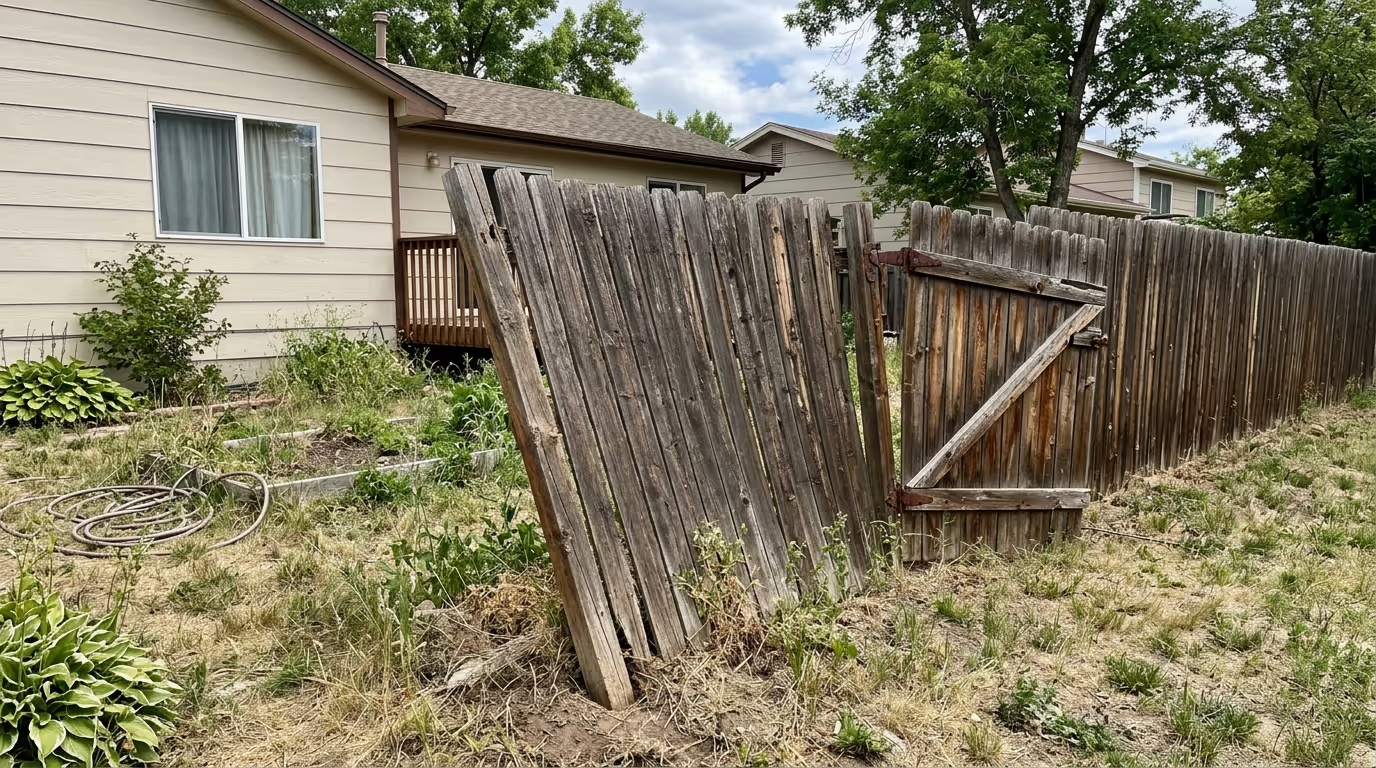
One of the clearest signs that a fence is near the end of its life is leaning. Sometimes it is obvious. You can stand back from the yard and see that one whole section is no longer straight. Other times it is more subtle. The line of the fence looks uneven, or one corner seems lower than the rest.
Leaning usually points to a structural issue, not just a surface problem. Posts may be shifting, rotting, loosening, or no longer holding firm in the ground. Once the support system starts to fail, the fence loses the stability it needs to stay straight and strong. You may be able to brace one area for a short time, but if leaning is happening in more than one place, or keeps coming back, replacement often makes more sense than repeated repair.
This matters even more in Colorado, where changing weather and outdoor exposure can put extra stress on older materials over time. A fence that already feels weak rarely gets better on its own.
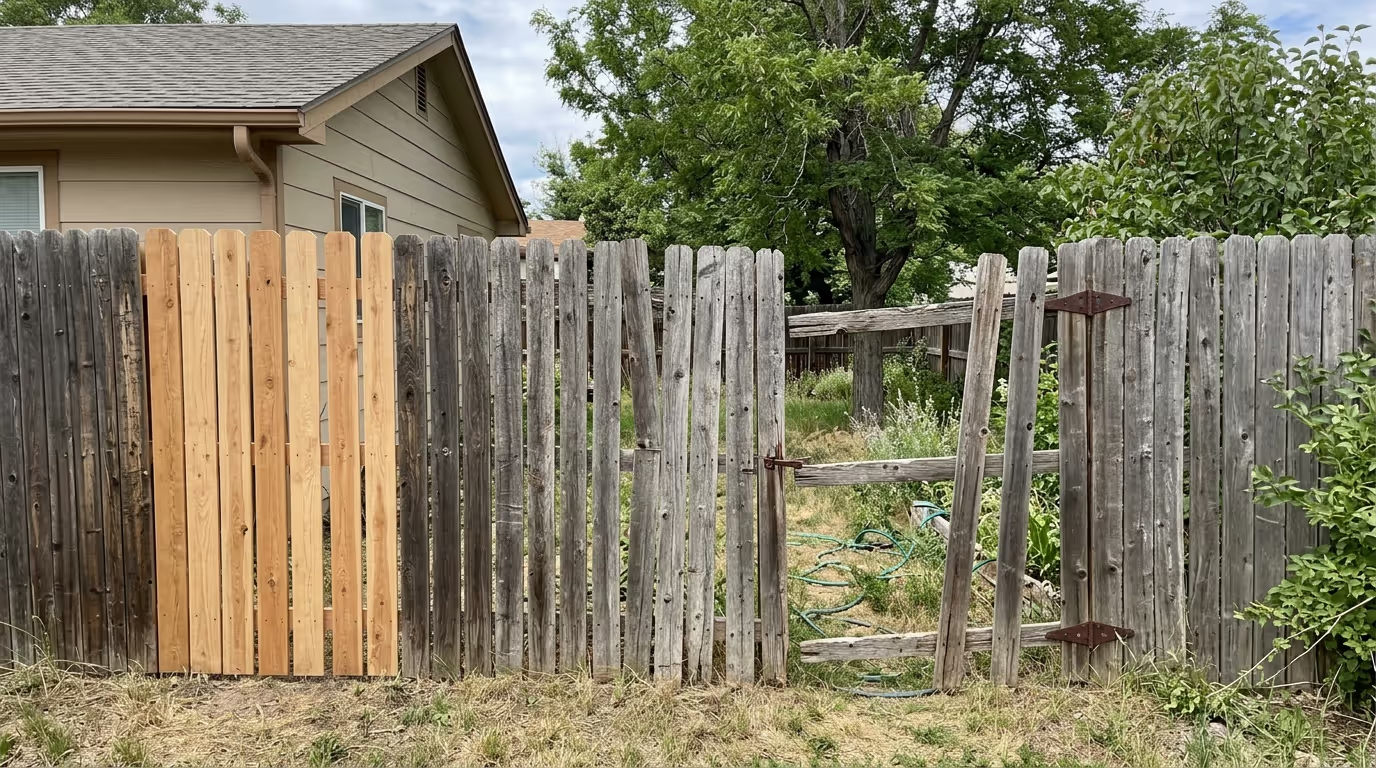
Panels take a lot of daily exposure. Sun, moisture, wind, lawn equipment, and normal wear all add up. On an older fence, worn panels can show up as cracking, splitting, warping, sagging, or boards that no longer sit neatly together. At first, it may seem like a cosmetic issue. The fence looks tired, but still stands. The problem is that worn panels do not only affect appearance.
Once boards and panels start breaking down, the fence becomes more vulnerable to movement and further damage. Gaps can open up. Privacy can drop. Water can get in more easily. Sections may begin pulling against posts and fasteners in ways they were never meant to. If only one or two boards are affected, repair may still be worth it. If many sections are showing the same kind of wear, that usually points to a fence that is aging out as a full system.
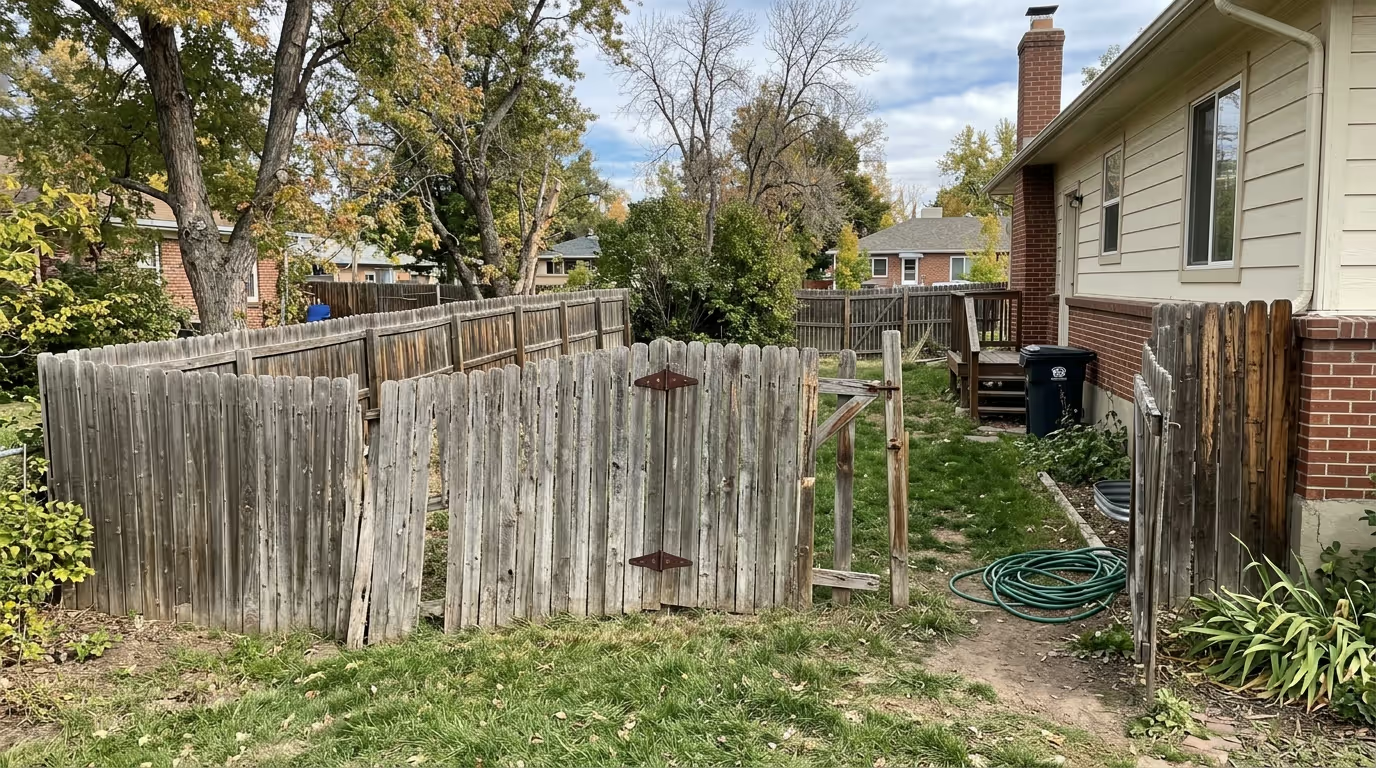
Gates are one of the hardest-working parts of any fence. They open and close every day, take repeated stress on the hinges, and need solid framing to stay level. That is why a dragging gate or a gate that no longer latches properly is often one of the first signs of trouble.
Sometimes the gate hardware itself is the issue. Other times, the problem is bigger. The posts may be shifting. The frame may be weakening. The surrounding fence line may no longer be holding square. If you find yourself lifting the gate, forcing it shut, or adjusting it again and again, it is worth taking a closer look at the rest of the fence too.
A failing gate is not just annoying. It can affect security, privacy, and day-to-day use. And because gates depend on strong support, repeated gate issues can be a sign that the fence as a whole is no longer performing the way it should.
Different fence materials age in different ways. With wood fences, rot is one of the biggest problems to watch for. You may notice soft areas near the bottom of posts, boards that feel weak, or sections that look darker, swollen, or cracked. Even if the top half of the fence still looks decent, damage near the base can be enough to compromise the whole structure.
On metal parts, rust is another sign that time is catching up with the fence. Hinges, fasteners, brackets, and gate hardware that are corroding can weaken the function and strength of the install. Once rust spreads or fasteners start failing, a fence can begin loosening in ways that are harder to correct with small fixes.
Moisture damage is especially important because it often affects the hidden parts homeowners do not think about first. A fence can look “mostly fine” at a glance while the supporting elements underneath are already wearing out.
Sometimes the strongest clue is not visual at all. It is how the fence feels when you use it. Does it wobble when the gate opens? Do sections move when touched? Do boards rattle in the wind? Does the whole fence feel lighter, weaker, or less secure than it used to?
A good fence should feel dependable. It should not make you wonder whether the next storm, the next strong wind, or the next month of daily use will be the thing that causes a bigger failure. If the fence feels unstable in multiple places, replacement is often the safer and more practical route.
One repair is normal. Even two repairs over time may be worth doing. But if your fence keeps needing attention, it is smart to step back and look at the pattern. Are you replacing boards every season? Tightening hardware again and again? Fixing a gate that never stays right? Bracing one leaning section after another?
At some point, repair stops being the cost-saving option. It becomes the thing that delays the real solution. A patchwork fence can end up costing more in time, stress, and money than a full replacement done the right way. It can also leave you stuck with an older fence that still does not look or function the way you want.
If the fence is asking for constant maintenance and still not giving you confidence, that is a strong sign replacement should be on the table.
Not every replacement decision is about failure alone. Sometimes the structure is still standing, but the fence is dragging down the look of the whole property. It may be faded, mismatched, patched in several places, or simply outdated compared with the house and yard around it.
This matters more than some homeowners think. Fencing has a big effect on curb appeal. A worn fence can make the whole property feel less cared for, even when the home itself looks great. If you have updated landscaping, painted the house, improved the yard, or invested in outdoor living spaces, an old fence can end up being the one thing that makes the exterior still feel unfinished.
A new fence can bring the entire property back into balance. It can make the yard feel cleaner, more secure, more private, and more complete.
Sometimes the old fence is not just worn out. It is no longer the right fence for the way you live now. Maybe you want more privacy than the current layout gives you. Maybe you need a stronger gate setup. Maybe you want a fence that needs less upkeep. Maybe the yard now needs to work better for kids, pets, entertaining, or simply peace and quiet.
In those cases, replacement is not just about solving damage. It is about choosing something that fits your home better going forward. That might mean moving from an older wood fence to a vinyl fence for less upkeep, upgrading to a privacy fence for more comfort, or choosing a composite fence for a more modern look with lower maintenance.
If you are still on the fence about it, ask yourself a few practical questions:
If most of the issues are isolated and the fence is still structurally strong, repair may be enough. If the problems are spreading, the fence feels unstable, or it no longer fits your needs, replacement is often the smarter long-term decision.
Waiting too long can make the next step harder. A fence that is already failing can create safety issues, reduce privacy, and make the yard less usable. It can also lead to more frustration if you keep spending money on fixes that do not last.
Replacing at the right time gives you a chance to start fresh with a fence that feels stronger, looks better, and fits the home more naturally. It also lets you choose materials and styles based on how you want the yard to work now, not how it worked years ago.
For many homeowners, that peace of mind is worth a lot. A new fence should not be another problem to manage. It should be something you can count on every day.
An old fence does not have to be falling over completely before replacement becomes the right choice. Leaning posts, worn panels, loose gates, repeated repairs, and an overall weak feel are all signs that the fence may be near the end of its useful life. When those issues start stacking up, replacing the fence can be the cleaner, smarter, and less stressful option.
If your current fence is showing its age, now may be the right time to take a closer look at what comes next. A well-built replacement can give your yard more privacy, better function, and a stronger finished look for years to come. If you are comparing options, you can explore our services, including steel fence, chain link fence, and other fence styles that may be a better fit for your home now than what you installed years ago.